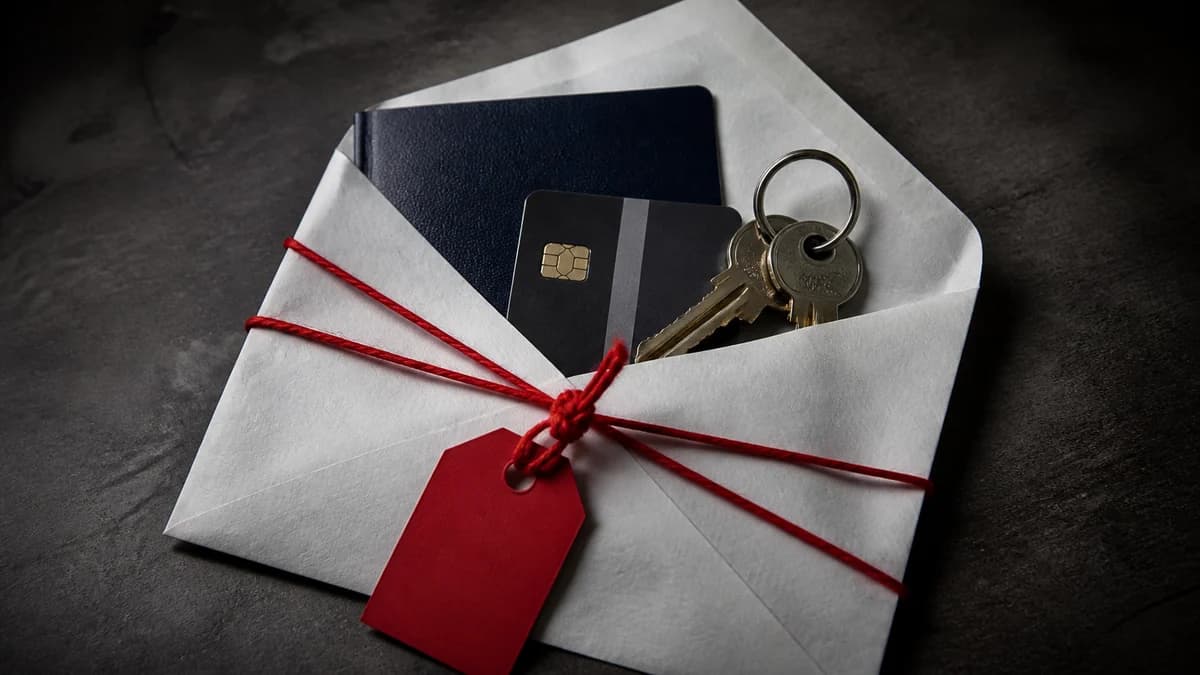
Temporary email is useful, but context matters
Temporary email protects your main address from spam and tracking, but it is not meant for sensitive communication. A disposable inbox is best for short-lived, low-risk tasks. If a message contains private identity data, financial details, or long-term account recovery information, use a secure permanent mailbox instead.
The goal is to use temporary email as a privacy layer, not as a secure vault.
Never send financial information
Do not send bank messages, payment confirmations, card details, invoices with sensitive account numbers, or tax documents to a temporary inbox. Financial accounts require long-term recovery and strong identity protection.
Avoid health and government data
Healthcare portals, insurance documents, government IDs, immigration records, and legal communications should never depend on a disposable mailbox. These accounts need stable access and secure recovery.
Do not use temp mail for password managers
A password manager account controls many other accounts. Never connect it to a temporary inbox. Use a secure permanent email address and multi-factor authentication.
Avoid long-term account recovery
If you may need to reset a password later, avoid temporary email. Once a disposable mailbox expires, you may lose access. An email alias is often better for long-term privacy.
Read Email Alias vs Temporary Email vs Private Relay for the safest choice.
Safe temporary email use cases
Temporary email is appropriate for one-time downloads, low-risk verification codes, product demos, QA testing, and spam prevention. For safe examples, read Best Disposable Email Use Cases.
Related guides
- Is Disposable Email Safe?
- How Disposable Email Protects Your Privacy Online
- Temporary Email for Signups
Conclusion
Temporary email is safest when used for temporary, low-risk tasks. Keep sensitive data, permanent accounts, and recovery-critical messages in a secure long-term mailbox.
FAQ
Can someone else read my temporary inbox?
Possibly. Disposable inboxes often have no password protection, so anyone who knows or guesses the address may open it. That is one more reason to keep sensitive data out.
Is it safe to receive a verification code in a temp inbox?
Yes, for low-risk signups and one-time codes. Avoid disposable addresses only for accounts that control money, identity, or other accounts, such as banking or password managers.
What should I do if I already sent sensitive data to a temp inbox?
Act quickly: delete the message if the service allows it, change passwords, and revoke access for affected accounts. Then move the account to a permanent mailbox.
Are temporary email services secure?
Reputable services protect messages in transit, but disposable inboxes are not designed as secure storage. Treat them as a privacy layer for low-risk tasks, not as a vault.